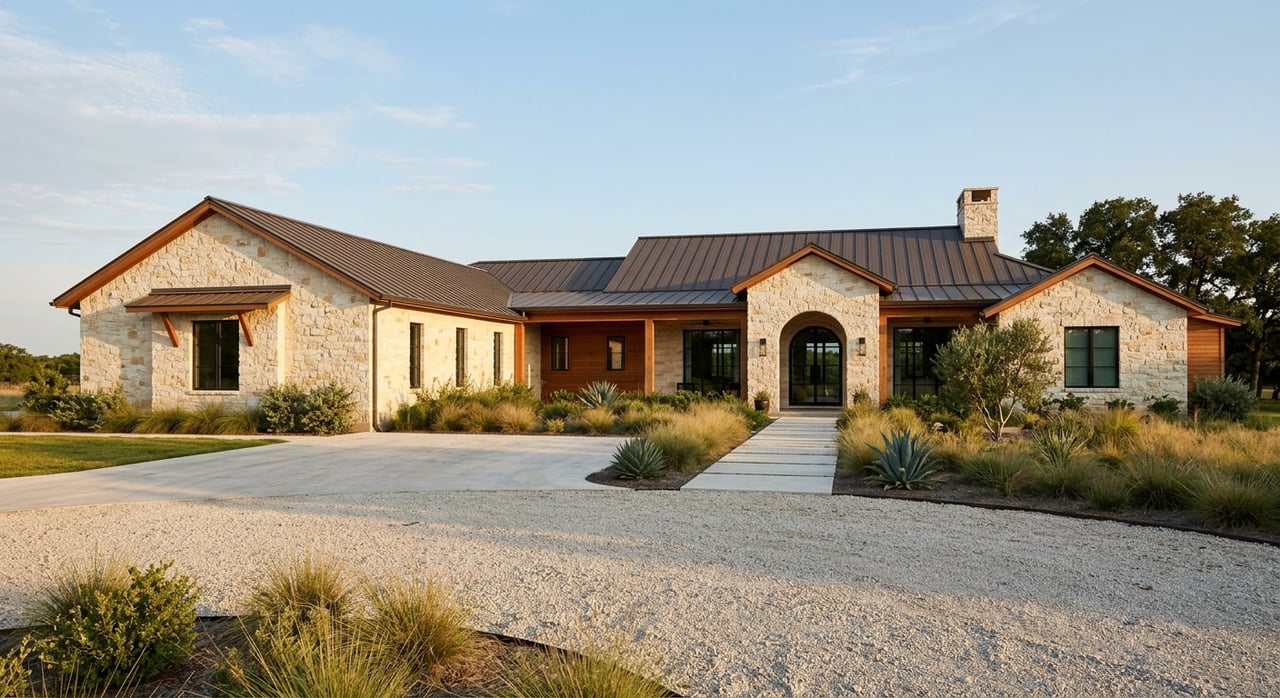
Thinking about building a custom home in Weatherford? It is an exciting move, but the lot you choose, the utility plan you assume, and the permits you need can shape your budget and timeline just as much as the house itself. If you want fewer surprises and a smoother path from raw land to finished home, it helps to understand how Weatherford and Parker County handle development before you commit. Let’s dive in.
Start With the Lot, Not the Floor Plan
A custom build often starts with the house design in your mind. In Weatherford, the smarter first step is often understanding the land itself.
Parker County covers a large area with gently rolling terrain, elevations that range from about 700 to 1,200 feet, and more than 32 inches of annual rainfall. That means drainage, driveway placement, and foundation planning can become major early decisions, especially on sloped, low-lying, or creek-adjacent property.
Your first big question is simple: Where is the lot located from a regulatory standpoint? A parcel inside Weatherford city limits is handled differently than one in unincorporated Parker County. That difference can affect zoning, permitting, utilities, contractor requirements, septic review, and floodplain approvals.
Know Whether the Lot Is in the City or County
Inside Weatherford city limits, land has a zoning district and the city’s Development Services team coordinates pre-development meetings, permits, and reviews. That gives you a more structured development path, but it also means you need to confirm the lot’s zoning and whether your planned home fits the property’s rules.
For example, the RL district near Lake Weatherford is intended to preserve natural beauty and support single-family detached dwellings and compatible uses. That is why it is important to match your lot to its actual zoning district before you buy, rather than assuming every residential-looking parcel allows the same type of project.
In unincorporated Parker County, the process is different. The county does not issue building permits or certificates of occupancy, but it does regulate items such as septic systems, floodplain development, stormwater, and subdivision rules. If a tract is part of a platting process, the county may also require utility approvals, easements, and in some cases groundwater availability certification.
Confirm Access, Platting, and Driveway Needs
Land due diligence is not just about the legal description. You also want to know how the lot is accessed and whether there are any extra steps before construction can start.
If the property is inside Weatherford city limits and needs a new driveway or curb cut, the city requires a drive approach permit before right-of-way excavation or before a permanent driveway approach connects to a public street. That is an easy item to miss when you are focused on the home itself, but it can affect both timing and site layout.
In unincorporated Parker County, subdivision rules can influence how land is platted and what supporting documentation is needed. The county’s plat materials also note that when certain exemptions apply, buyers should ask the seller about groundwater availability. For acreage buyers in particular, that is a question worth asking early.
Review Floodplain and Drainage Before You Buy
Some of the most important custom-build decisions happen before a builder ever breaks ground. Floodplain status and drainage deserve careful attention in Weatherford and Parker County.
Both the city and county require floodplain permits for development in flood hazard areas, and both direct buyers to FEMA maps when checking a site. Parker County also states that the lowest floor must be at least two feet above the Base Flood Elevation, and development in a regulatory floodway requires a no-rise certificate.
That is why a current survey, elevation work, and a drainage review can be so valuable on certain lots. If a tract is near a creek, sits low, or has noticeable slope, these issues can influence home placement, finished floor height, driveway design, and overall build cost.
Test Soils and Plan Utilities Early
A beautiful homesite can still hide cost drivers underground. Soil conditions, sewer access, and water availability can all change the scope of your project.
USDA soil descriptions show that local soil conditions can vary meaningfully. The Weatherford series is described as deep, well drained, and moderately permeable, while the Aledo series is shallow to very shallow with limestone bedrock within about 9 to 20 inches. For that reason, checking the actual lot through the Web Soil Survey is an important step before you finalize plans.
If your property is in unincorporated Parker County and will not connect to sewer, the county requires all habitable structures to have an approved sewage system. Its subdivision rules also call for soil test reports when a state-approved sewage disposal system is not already provided.
Even inside the city, utility strategy can affect cost and timing. Weatherford lists separate permits for septic systems and wells, which is a reminder that not every homesite follows the same utility path.
Understand How Utilities Change the Budget
Weatherford is not a one-size-fits-all utility market. Inside city limits, the city owns and operates electric, water, and wastewater utilities. On county lots, service may look very different and could include a private well, septic system, or another mix of providers and approvals.
That difference matters because utility decisions often shape both your upfront costs and your timeline. If a parcel already has nearby city utility access, your process may be more straightforward. If it needs private systems or utility extension work, you will want those estimates in writing before moving forward.
Weatherford Electric handles planning, construction, and maintenance of the city’s electric system. Even so, it is still important to verify actual service availability at the specific parcel you are considering.
Budget for Permits and Impact Fees
One of the biggest mistakes buyers make with custom builds is budgeting only for the structure. In Weatherford, permits, taps, and impact fees can add up quickly.
The city’s residential fee schedule lists a new residential house permit at $0.67 per square foot plus impact fees. Separate residential fees also apply for mechanical, plumbing, electrical, septic, and well permits.
A few city fee examples help show the range:
- Septic permit: $500
- Well permit: $275
- Mechanical permit: $75
- Plumbing permit: $75
- Electrical permit: $75
- Roadway impact fees: $3,186.43 in Service Area A, $1,814.50 in Service Area B, and $1,781.30 in Service Area C
- Residential water tap fees: $4,750 to $4,850
- Residential wastewater tap fees: $4,050 to $4,200
These numbers make it clear why a true build budget should include more than the builder’s base price. You want to ask for a full hard-cost estimate that includes permits, impact fees, utility taps, road work, driveway permits, and any needed easement or extension work.
Build a Realistic Timeline
Custom home buyers often focus on construction time, but approvals matter too. In Weatherford, a residential permit is typically reviewed in 2 to 3 days, which is encouraging for straightforward projects.
Still, not every approval moves that quickly. Site development permits and plats can take longer, and county platting may involve additional sanitation or groundwater review. That is one reason complete submittals and early planning can make such a difference.
If your project includes land division, floodplain review, septic design, or utility coordination, your total pre-construction timeline may stretch well beyond the basic building permit review window. Asking for a realistic timeline at the start can help you plan with less stress.
Vet Your Builder for City Requirements
Builder selection is always important, but inside Weatherford city limits it also has a compliance side. The city requires contractors working within city limits to be registered.
They must also provide proof of at least $300,000 in general liability insurance and show state-issued licenses for electrical, mechanical, and plumbing trades. For you as the buyer, that makes builder vetting more than a style or pricing decision. It is also a practical part of keeping the project on track.
Design With Resale in Mind
A custom home should fit your life, but it is still wise to think about long-term marketability. Current market snapshots suggest Weatherford and Parker County remain active while also rewarding thoughtful pricing and practical design.
The available market data points are measured differently, so they are not directly comparable. Even so, they point in a similar direction: finish quality, lot utility, and layout discipline still matter.
A safer resale-minded strategy is usually to personalize without over-specializing. In practical terms, that can mean focusing on:
- Lot orientation that supports daily comfort and outdoor use
- Reliable utility planning
- Good drainage and site usability
- Flexible rooms that can serve more than one purpose
- Strong storage
- Low-maintenance exterior choices
- Landscape plans that work with local watering rules
Weatherford’s year-round conservation rules limit outdoor watering to twice a week for automatic sprinkler or irrigation systems and require approval for new turf variances. That makes water-wise planting and irrigation design especially relevant when you are planning the finished property.
Questions to Ask Before You Commit
Before you buy a lot or sign with a builder, it helps to slow the process down and ask a few clear questions.
Ask About Jurisdiction
- Is the parcel inside Weatherford city limits, in the ETJ, or in unincorporated Parker County?
- Which office handles permitting and development review for this lot?
- Does the lot’s zoning support the type of home you want to build?
Ask About Utilities
- Will the home connect to city water and sewer, or will it need a well and septic system?
- If private systems are needed, have the soil and septic steps already been completed?
- Has electric service availability been verified for the specific parcel?
Ask About Site Conditions
- Is the lot in a floodplain or near a drainageway?
- Will you need a floodplain permit, elevation certificate, or no-rise certificate?
- Are there slope, drainage, or soil issues that may affect foundation cost or home placement?
Ask About Costs and Timing
- What is the full hard-cost estimate beyond the base home price?
- Are permit fees, tap fees, impact fees, driveway permits, and utility work included?
- What is the realistic timeline for approvals and construction based on this lot?
Ask About the Builder Team
- Is the builder registered to work in Weatherford if the home is inside city limits?
- Do all required trades meet city registration, insurance, and licensing requirements?
- Who is coordinating permit applications and site-specific approvals?
A Better Build Starts With Better Planning
Building a custom home in Weatherford can be a great opportunity to create a property that fits your land, your lifestyle, and your long-term goals. The key is understanding that in this market, the success of the build often depends on what happens before the slab is ever poured.
When you look carefully at zoning, utilities, floodplain status, soils, permits, and builder readiness, you give yourself a much stronger foundation for the entire project. If you want guidance evaluating lots, acreage, or build-ready opportunities in Weatherford and Parker County, Edge Real Estate is here to help you move forward with clarity.
FAQs
What should you check before buying a custom home lot in Weatherford, TX?
- You should confirm whether the lot is inside Weatherford city limits or unincorporated Parker County, review zoning or subdivision rules, verify utility options, check floodplain status, and understand driveway, septic, soil, and drainage requirements before you buy.
How do permits work for a custom home build in Weatherford, TX?
- Inside Weatherford city limits, the city coordinates permits and reviews through Development Services, and a residential permit is typically reviewed in 2 to 3 days. In unincorporated Parker County, the county does not issue building permits, but it does regulate items such as septic systems, floodplain development, stormwater, and subdivision rules.
What utility questions matter for a Weatherford, TX custom build?
- You should ask whether the lot will connect to city water and sewer or need a private well and septic system, whether electric service is available at the parcel, and what permits, tap fees, or extension costs may apply.
Why do soils and drainage matter for a custom home in Parker County, TX?
- Soils can affect foundation planning, septic feasibility, and excavation costs, while drainage and floodplain conditions can influence home placement, finished floor height, and site design. These items are especially important on sloped, creek-adjacent, or low-lying lots.
How can you plan a custom home in Weatherford, TX with resale in mind?
- A balanced approach usually works best. Focus on practical layout, utility access, strong drainage, flexible rooms, storage, low-maintenance exterior materials, and landscape choices that fit local watering rules rather than highly specialized features that may limit future buyer appeal.