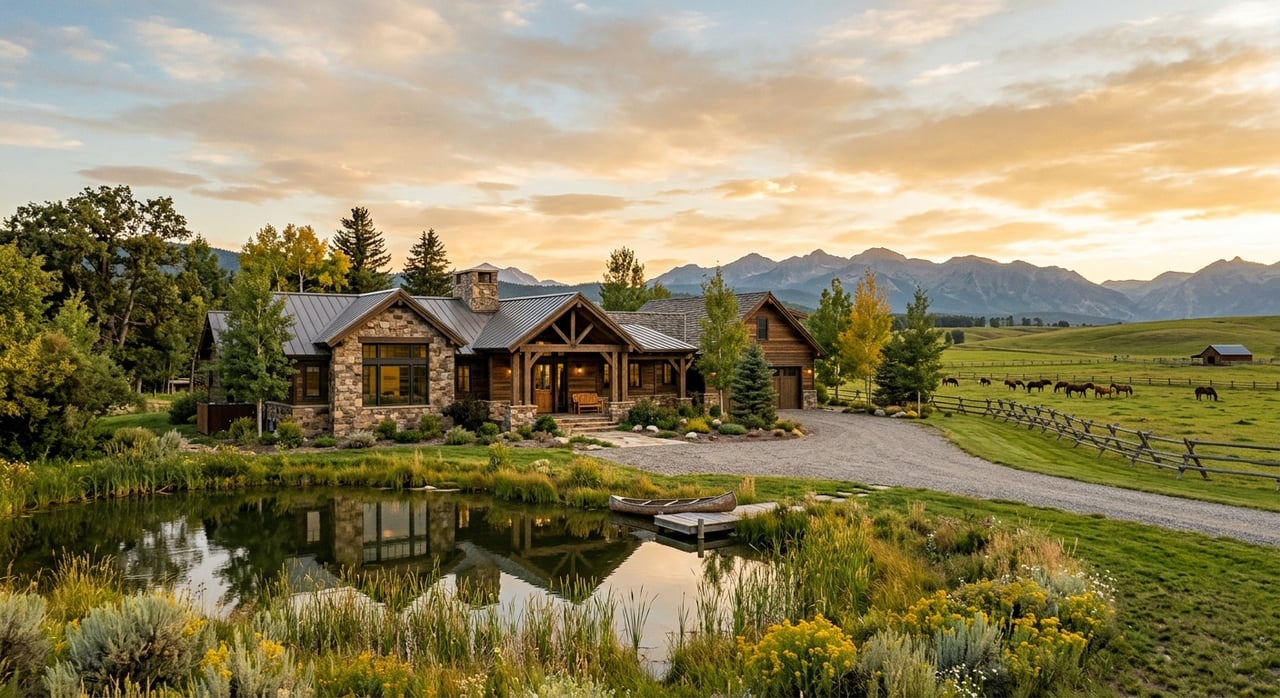
Buying acreage in Parker County can feel simple at first glance. You see open land, big skies, and room to build the life you want. But before you buy, the details under the surface can shape what you can build, how you access the property, what utilities are possible, and what your long-term costs may look like. If you want to make a smart land purchase, these are the issues worth checking early. Let’s dive in.
Why Parker County acreage needs careful review
Acreage purchases are different from buying a typical house in town. In Parker County, that is especially true because a tract can appear straightforward while still raising questions about access, septic, floodplain limits, water service, and tax treatment.
In unincorporated Parker County, there is no zoning, and the county does not issue building permits or certificates of occupancy. That gives buyers flexibility in some cases, but it does not mean there are no rules. The county still regulates on-site sewage facilities and development in special flood hazard areas.
That means your due diligence should focus less on assumptions and more on how the land actually functions. A beautiful tract is only as useful as its access, water plan, buildability, and legal setup.
Check access before anything else
One of the biggest acreage mistakes is assuming the road situation is clear. In Parker County, not every road is county-maintained. Some roads may be private subdivision roads, roads not yet accepted by a subdivision, or roads handled by another agency such as the state.
You will want to confirm exactly how the property is accessed and who maintains that route. If the land is landlocked, Texas A&M AgriLife notes there is no automatic right of access, and a recorded express easement is the safest solution. Title companies are also usually reluctant to insure property without legal access.
Frontage details matter too. In Parker County, driveway culverts in county right-of-way require a permit, and fences cannot block county roads or sit within county right-of-way. If you plan to improve an entrance or fence along the road, that needs to be part of your review before closing.
For buyers creating a new homesite or formalizing a private drive, Parker County’s 9-1-1 Addressing Department assigns addresses and names easements and roads. That can be especially helpful when a tract is being divided, improved, or prepared for new construction.
Verify water service parcel by parcel
Never assume water is available just because nearby properties have it. Parker County Special Utility District serves a defined service area in southwest Parker County, so availability should be checked for the specific parcel you are buying.
If public water is not available, a well may become part of your plan. Parker County lies within the Upper Trinity Groundwater Conservation District, and the district’s management plan says new wells must be registered. For wells established after December 31, 2019, operating permits are based on surface acreage owned or controlled, with spacing and tract-size requirements intended to reduce well interference.
That makes water planning more than a casual question. If your purchase depends on a future well, you should understand the tract size, spacing, and permit requirements before moving forward.
Older wells deserve attention too. Texas A&M AgriLife says abandoned wells can act as direct conduits to the aquifer, and landowners are responsible for plugging them. If you spot an old casing or a capped well on the property, treat it as a real due-diligence issue.
Understand septic, soils, and floodplain limits
On rural land, buildability often comes down to septic and soils. Parker County requires a site and soil evaluation by a licensed evaluator for septic approval, along with a plat or survey that includes the legal description and lot size. The county also states that no physical parts of a septic system may be installed until approval is confirmed.
This is why lot size alone does not answer the septic question. Two similarly sized tracts can have very different soil conditions, drainage patterns, and installation costs.
Soils matter beyond septic as well. NRCS identifies Web Soil Survey as the authoritative online source for soil survey information, and those soil details can help you evaluate home sites, pasture use, fencing, and other land-use plans. Parker County CAD also notes that soil types affect productivity categories and the number of acres needed to graze animals.
Floodplain review is just as important. Parker County regulates development in special flood hazard areas, so if a tract has a creek, drainage swale, low crossing, or a possible homesite near lower ground, floodplain status should be checked before closing.
Do not assume ag valuation transfers automatically
For many acreage buyers, the biggest financial question is property taxes. Texas allows qualifying agricultural or open-space land to be appraised based on productivity value rather than market value, which can make a major difference in annual taxes.
But qualification is not automatic, and prior use matters. To qualify for open-space appraisal, the land generally must have been devoted to agricultural or timber use for at least five of the previous seven years. If the use later changes to a non-qualifying use, rollback tax can reach back three years.
In Parker County, timing and documentation matter. The Parker County Appraisal District guide says the application window runs from January 1 through April 30. Late applications may be accepted before roll certification with a 10 percent penalty, and a prior-year approval is not guaranteed after a deed change.
That is why buyers should ask detailed questions about the property’s current valuation, supporting records, and operating history. A tract marketed as having ag value may still need proof that the use meets local standards after closing.
Learn Parker County’s local intensity standards
Ag valuation in Parker County is not only about intent. It is also about whether the property is operated at the required local level.
According to Parker County’s published guide, local standards include about:
- 5 acres for improved pasture
- 10 acres for native pasture
- 3 acres for orchards
- 5 to 20 acres for beekeeping
- 20 acres for wildlife management
The same guide also says tracts under 5 acres with a residence are generally treated as residential unless they are part of a larger qualifying operation. So if you are buying a smaller lifestyle property, it is important to understand that wanting ag valuation and qualifying for it are not the same thing.
Wildlife management may be an option for some buyers. Parker County says wildlife management land is appraised the same as agricultural land, but it requires an annual plan and at least three approved practices.
Improvements can add value and cost
Barns, shops, arenas, homes, and other improvements can make a tract more functional and more appealing. They can also affect value in ways buyers sometimes underestimate.
Under Texas property tax rules, appraisers use the cost approach for buildings and other improvements and add depreciation to land value. On qualified open-space land, rural improvements are tracked separately, which means improvements can still carry meaningful value even when the land itself is taxed on productivity.
This matters when you compare one tract to another. A property with fencing, water improvements, or usable structures may offer better function and resale appeal, but it may also come with a different tax picture and maintenance burden.
The Texas Comptroller also notes that fencing and irrigation wells are among the expenses considered in agricultural productivity calculations. In practical terms, a tract that is already set up for actual use can be easier to operate and easier to market later.
Read deeds closely for easements and minerals
Acreage value is not just about what you can see. It is also about the rights that come with the property.
If the land depends on an easement for access, you should review the recorded documents carefully. The same goes for utility easements, road agreements, and any restrictions tied to the tract.
Minerals deserve special attention in Texas. Mineral and surface estates can be separated, and Texas law allows the mineral estate an implied right to reasonably use the surface for mineral development unless the parties agree otherwise. If minerals were reserved or severed in the past, that can affect how you view the land’s long-term use and enjoyment.
A smart acreage purchase starts with the right questions
The best acreage in Parker County usually combines legal access, a realistic water plan, septic feasibility, workable soils, and a tax strategy that fits the property’s actual use. The most common problems tend to come from assumptions, not from the land itself.
If you are serious about buying land here, it helps to work with a team that understands how function, value, and resale fit together. At Edge Real Estate, we help buyers look beyond the listing photos and evaluate the details that matter on Parker County acreage.
FAQs
What should you check first before buying acreage in Parker County?
- Start with legal access, road maintenance, water availability, septic feasibility, floodplain status, and current tax valuation.
How does septic approval work for Parker County acreage?
- Parker County requires a site and soil evaluation by a licensed evaluator, plus a plat or survey with the legal description and lot size, before septic approval is confirmed.
Does Parker County require building permits on unincorporated acreage?
- Unincorporated Parker County does not issue building permits or certificates of occupancy, but the county still regulates septic systems and development in special flood hazard areas.
Can you assume ag valuation will stay in place after buying Parker County land?
- No. Parker County Appraisal District says prior-year approval is not guaranteed after a deed change, so buyers should verify the property’s qualifying history and application requirements.
What water issues matter when buying acreage in Parker County?
- You should verify whether public water serves the parcel, and if not, review the feasibility and rules for a new well, including registration and acreage-based permit requirements in the groundwater district.
Why do mineral rights matter on Parker County acreage?
- If minerals were severed or reserved, the mineral estate may still have rights to reasonably use the surface for mineral development, which can affect how the property is used over time.