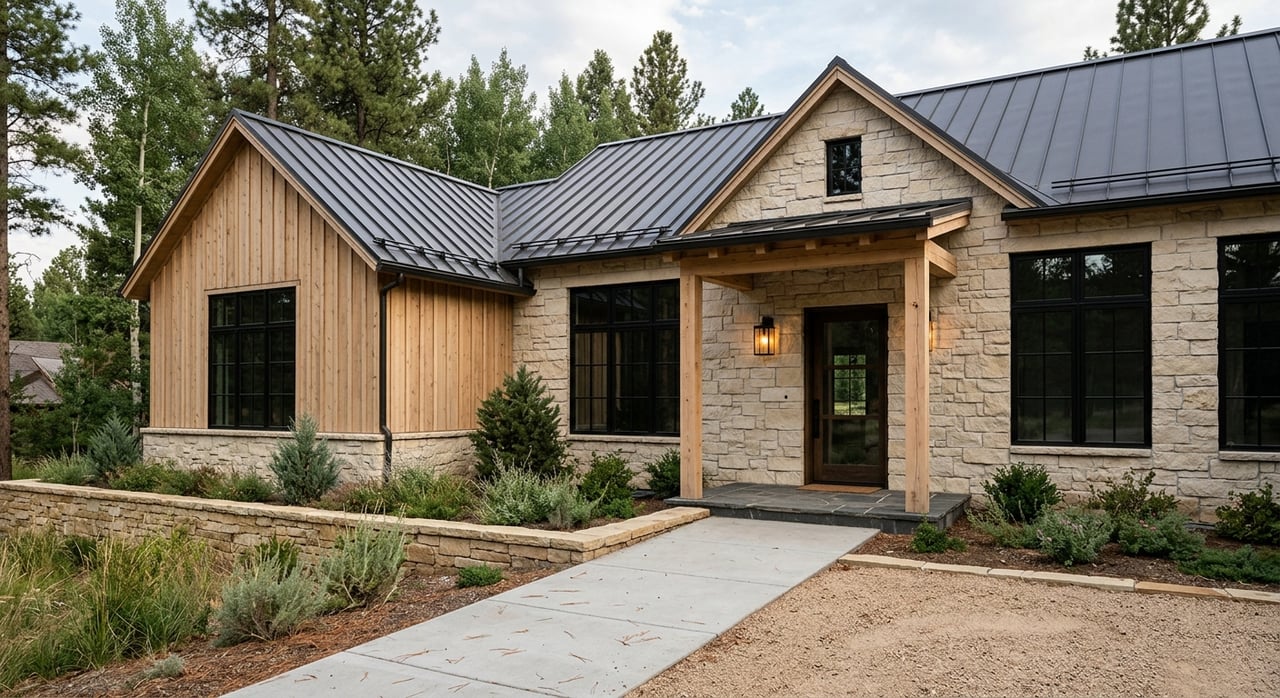
Wondering how Castle Rock neighborhoods really differ once you get past the map? If you are trying to decide between an established neighborhood, a newer master-planned community, or a more private acreage setting, the choices can feel similar at first glance. The good news is that Castle Rock has a clear pattern once you know what to compare, from lot size and home style to trail access and commute flow. Let’s dive in.
How Castle Rock Is Organized
Castle Rock is a freestanding town south of Denver with more than 87,000 residents, a traditional downtown core, and more than 150 mapped neighborhoods. The town also reports 62 parks, 136 miles of trails, and more than 6,900 acres of open space. That mix helps explain why neighborhood identity here often comes down to the lifestyle you want every day.
Some buyers prefer older central streets and an established feel. Others want newer construction with trail access, community amenities, and predictable floor plans. Still others are looking for larger lots, more privacy, and a little breathing room on the edge of town.
A helpful shorthand is the town’s service geography. Areas around downtown, Plum Creek, Rock Park, and The Woodlands sit in one general central zone, while places like Founders Village, Castlewood Ranch, The Meadows, Crystal Valley Ranch, and Bell Mountain Ranch spread east, west, and south into distinct residential pockets.
Castle Rock Neighborhood Types
Established Neighborhoods
Established neighborhoods in Castle Rock usually offer more variation from one street to the next. You may find older homes, a broader range of floor plans, and lot sizes that do not feel as uniform as newer communities. For many buyers, that variety is part of the appeal.
Founders Village is a strong example. Current listings show ranch-style homes, two-story homes, and townhomes ranging from roughly 1,000 to 3,900 square feet, with lots commonly around 4,300 to 9,900 square feet. If you want a conventional suburban setting with a wide range of home ages and layouts, this area often belongs on your list.
Castlewood Ranch also fits the established-suburban category, but with more edge variation. Listings include townhomes, single-family homes, and larger parcels from about 5,200 square feet up to 1 acre, with some homes near open space or Castlewood Canyon. That can create a quieter, more view-oriented feel than a typical tract neighborhood.
Master-Planned Communities
Castle Rock’s newer master-planned communities tend to deliver a more structured neighborhood experience. You will often see coordinated amenities, newer homes, trail connections, and lot sizes that stay within a narrower range. These areas can be especially appealing if you want newer finishes and a more predictable community layout.
The Meadows is one of the town’s best-known master-planned communities. Builder releases describe paired homes from roughly 1,443 to 2,400 square feet, and current listings also show homes on lots ranging from very compact townhome footprints to larger sites around 6,000 to 9,100 square feet and even some 0.43-acre lots. The broader plan includes parks, open space, and gathering spaces like The Grange, Taft House, and Miller Park.
Terrain is another major newer option. Early builder information described ranch-style paired homes around 1,400 to 1,700 square feet, while later releases added one- and two-story homes with extensive open space, a clubhouse, pool, spa, tennis courts, sports fields, and trail connections. Current listings commonly sit on lots of roughly 4,800 to 7,400 square feet, which keeps Terrain in the newer-suburban category rather than acreage living.
Crystal Valley Ranch anchors the south end of newer growth in Castle Rock. Listing snapshots show standard lots around 3,900 to 8,300 square feet, but there are also larger homesites of 1.64 acres and more in the Painter’s Ridge area. That makes Crystal Valley Ranch a little more varied than some buyers expect from a newer community.
Semi-Rural And Acreage Areas
If your priority is privacy, views, and lower density, Castle Rock also has neighborhoods that feel much more removed from the suburban pattern. These areas are often where lot shape, slope, access, and land usability become just as important as the home itself.
Bell Mountain Ranch is the clearest example of semi-rural living in Castle Rock. Current listings show ranch homes and custom estates on 5- to 6-acre lots, along with much larger land parcels, and a recent market snapshot placed the neighborhood median home value around $1.46 million. For buyers who want horse-property potential, wider spacing between homes, and a stronger land component, this is one of the town’s key comparison points.
Castlewood Ranch can also serve buyers who want just a bit more land without moving fully into acreage territory. Larger homesites and canyon-adjacent parcels offer a middle ground between standard suburban lots and full estate living. That makes it worth a close look if you want more elbow room while staying in a neighborhood setting.
How Home Styles Differ In Castle Rock
Ranch Homes
Ranch-style homes are common across several Castle Rock neighborhoods. You can find them in established areas like Founders Village, in newer paired-home offerings in Terrain, and in semi-rural settings like Bell Mountain Ranch. If you prefer main-level living, Castle Rock gives you options at several price points and lot sizes.
Two-Story Homes
Two-story homes appear widely in both established and newer neighborhoods. In places like Founders Village and The Meadows, they often appeal to buyers who want more square footage on a manageable lot. They can also offer a more efficient use of the homesite when yard size is not the main priority.
Townhomes And Paired Homes
Townhomes and paired homes show up in neighborhoods like Founders Village, Castlewood Ranch, The Meadows, and Terrain. These can be useful options if you want a lower-maintenance lifestyle or a newer home with a smaller footprint. The key difference from one neighborhood to another is often the surrounding community feel, not just the home type itself.
Custom Homes And Estates
Custom homes and estate-style properties are most common in areas like Bell Mountain Ranch and on select larger parcels near the edges of Castlewood Ranch and Crystal Valley Ranch. Here, the land can drive the decision as much as the architecture. You may be comparing topography, privacy, views, and how the home sits on the property as much as room count or finishes.
What Pricing Usually Signals
Recent market snapshots show a useful pricing ladder across Castle Rock. Founders Village has been near the low- to mid-$500,000s, while The Meadows and Crystal Valley Ranch have been around the mid-$600,000s. Castlewood Ranch has trended higher, and Bell Mountain Ranch sits well above $1 million.
That does not mean every home in a neighborhood fits neatly into one number. It does mean price often reflects a blend of age, lot size, privacy, home style, and community design. In Castle Rock, you are often paying not only for the house, but also for the neighborhood format and daily lifestyle around it.
Trails, Parks, And Outdoor Access
Outdoor access is a major part of Castle Rock living. The town manages 104 miles of trails directly and more than 130 miles with partners, and it provides live trail conditions and closures. In practical terms, that means trail access is not just a nice extra in many neighborhoods. It is part of how people use their community every week.
This matters especially in neighborhoods like Terrain, The Meadows, and the Crystal Valley corridor, where trails and open space are woven into the area’s identity. If you enjoy walking, biking, or simply having nearby outdoor access, it is smart to compare how close each home sits to trailheads, parks, and open space connections.
Commute Tradeoffs To Know
Castle Rock commuting is mostly car-based. The town’s transportation master plan notes that voters opted out of the Regional Transportation District and related taxes in 2005, so road access matters more than many buyers first expect.
Because of that, I-25 access, frontage-road patterns, and peak-hour timing can shape your day more than straight-line distance on a map. Based on access described in builder materials, The Meadows and Terrain are generally among the more commuter-friendly master-planned options for north-south highway travel.
Crystal Valley Ranch deserves a closer look if commute timing matters to you. The town says the Crystal Valley interchange is a key transportation project, and as of late 2025 the Crystal Valley Parkway bridge and Dawson Trails Boulevard were open while the broader interchange work remained under construction through 2027. That does not make it a poor choice, but it does make a test drive during peak hours especially useful.
What To Compare On A Home Tour
When you tour Castle Rock neighborhoods, it helps to look beyond countertops and paint colors. A home can feel very different once you factor in the lot, the trail connection, and the real commute experience. Small differences on paper can change your monthly cost and daily routine in a big way.
Here are some of the most useful questions to ask:
- What are the metro district taxes?
- Is the lot flat, sloped, or backing to open space?
- How far is the nearest trailhead or park?
- What does the commute feel like at peak hours?
- Does the neighborhood lean more established, master-planned, or semi-rural?
- Is the homesite primarily about the house, or does the land itself add value?
The town notes that metro districts are separate taxing entities created to fund infrastructure and public improvements. That means two homes with similar list prices can carry meaningfully different monthly costs. For buyers comparing Castle Rock neighborhoods, that is one of the most important details to verify early.
Which Castle Rock Style Fits You Best
If you want variety, established streets, and a broad mix of home types, neighborhoods like Founders Village and parts of Castlewood Ranch may be a strong fit. If you want newer construction, community amenities, and integrated trail access, The Meadows, Terrain, and sections of Crystal Valley Ranch may rise to the top.
If your goals center on privacy, views, and land, Bell Mountain Ranch stands apart. And if you want a middle ground, Castlewood Ranch and select larger-parcel areas in Crystal Valley Ranch can offer more space without going fully rural.
The right answer usually comes down to how you live. Your ideal Castle Rock neighborhood is not just about square footage. It is about whether you want convenience, community amenities, outdoor access, or room to spread out.
If you want help narrowing down which Castle Rock neighborhood and home style best match your goals, Edge Real Estate is here to guide you with local insight and a tailored approach.
FAQs
What are the main types of neighborhoods in Castle Rock?
- Castle Rock generally offers three main patterns: established neighborhoods like Founders Village, master-planned communities like The Meadows and Terrain, and semi-rural or acreage areas like Bell Mountain Ranch.
Which Castle Rock neighborhoods have newer homes?
- The Meadows, Terrain, and much of Crystal Valley Ranch are among the better-known newer community options in Castle Rock.
Which Castle Rock neighborhoods offer larger lots?
- Bell Mountain Ranch offers some of the largest lots, including 5- to 6-acre properties, while parts of Castlewood Ranch and Crystal Valley Ranch also include larger parcels.
Is Castle Rock a commuter-friendly town?
- Castle Rock can work well for commuters, but it is mostly car-based, so access to I-25 and real peak-hour drive times matter more than map distance alone.
Why do metro district taxes matter in Castle Rock neighborhoods?
- Metro district taxes can affect the monthly cost of ownership because they are separate taxing entities used to help fund infrastructure and public improvements.