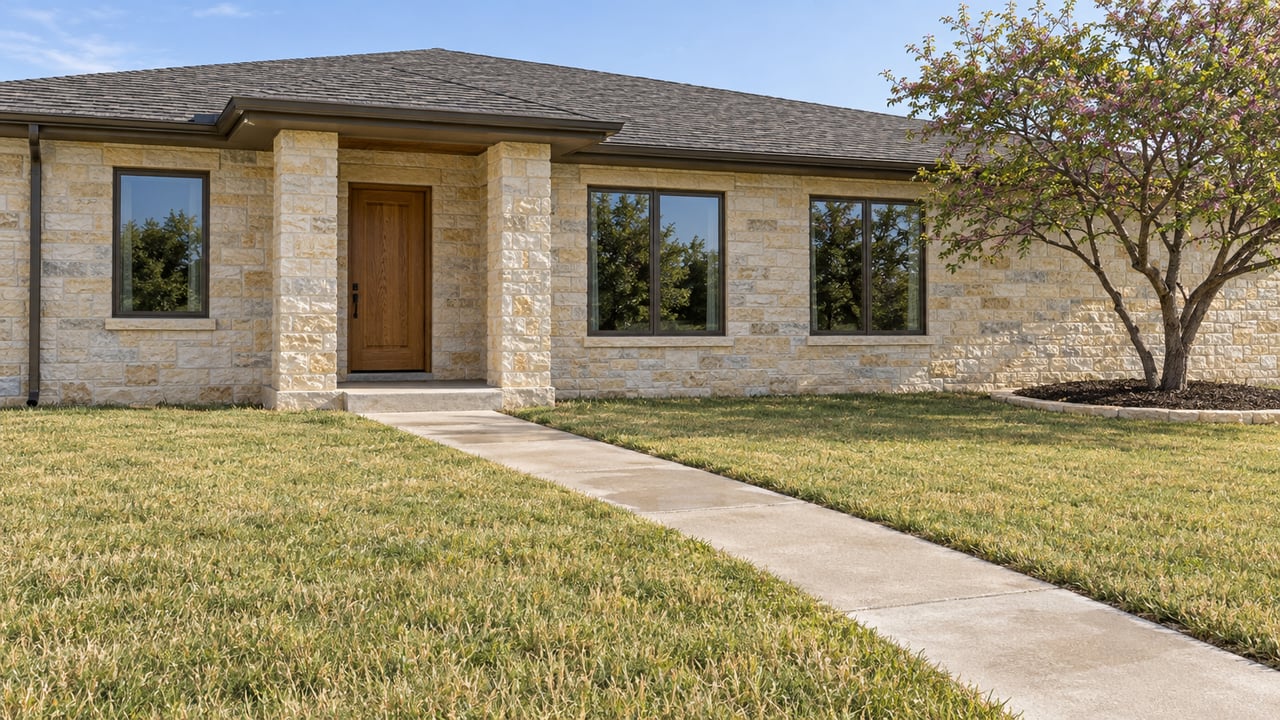
Dreaming about a horse property near Parker is the easy part. Finding one that actually works for your horses, your trailer, and your long-term plans takes a sharper eye. If you want a small-acreage equestrian property that feels right on day one and still makes sense years from now, a few local details matter more than most buyers expect. Let’s dive in.
Start With Jurisdiction
One of the first things to verify is whether the property sits inside the Town of Parker or in unincorporated Douglas County. A Parker mailing address does not answer that question on its own, because the USPS Parker ZIP area can include land in the Town, unincorporated Douglas County, and unincorporated Elbert County.
That matters because the rules can change significantly depending on where the parcel is located. Before you focus on the barn, views, or fencing, confirm which local government controls zoning and land use for the property.
Why A Parker Address Can Mislead
It is easy to assume that a home with a Parker address follows Parker rules. In reality, the mailing address is not the same as the legal jurisdiction.
For horse buyers, that distinction can affect everything from lot size to allowed horse use. It can also shape what may be built nearby over time, which is worth checking if privacy and rideability are part of your goals.
Know The Zoning Before You Shop
Zoning is one of the biggest filters for small-acreage equestrian property near Parker. It helps answer a simple but critical question: can this property legally support the way you want to use it?
Inside the Town of Parker, the Agricultural district is the clearest horse-friendly option. The Town’s Land Development Ordinance says that district is intended for general farming and livestock grazing, and it requires a minimum lot size of 10 acres.
Parker Zoning And Horse Use
If a property is inside Parker town limits, do not assume a residential lot will function like a county horse property. Parker’s definition of Urban Agriculture explicitly excludes horses, which means a home that looks horse-friendly may not actually allow the use you have in mind.
That is why zoning confirmation should happen early, not after you fall in love with the property.
Douglas County Rules On Small Acreage
In unincorporated Douglas County, the framework is more detailed. LRR zoning allows a 1-acre minimum when served by central water and a 2-acre minimum when served by individual well and septic.
A-1 zoning requires a 35-acre minimum, and smaller lots are limited to the uses of the district they conform to in area. For many buyers near Parker, this is where the details start to matter in a very practical way.
Match The Property To Your Horse Plan
Not every horse property supports the same lifestyle. Your intended use should guide your search from the beginning.
If you only plan to keep your own horses, your options may be broader than if you want to board horses, train nonowned horses, or run a more active equestrian setup.
Owned Horses Vs. Boarded Horses
In Douglas County, a nonowned horse kept for training or breeding is treated as a boarded horse. That means your legal capacity may change based on who owns the horses, even if the headcount stays the same.
On 9 to 34.99 acre LRR lots, the owner’s own horses are not limited, and two boarded horses are allowed by right. Three to eight boarded horses may be possible through administrative review.
If your vision includes lessons, training, or boarding for others, that distinction should be part of your property search from day one.
Focus On Usable Acreage
With horse property, raw acreage does not tell the full story. What matters more is how much of the land you can actually use well.
A smaller, flatter parcel with a smart layout can outperform a larger tract with awkward slopes, easements, drainage constraints, or limited access.
What Counts Against Functional Space
Douglas County includes corrals, outdoor arenas, paddocks, run pens, round pens, and unpaved parking as part of a property’s devegetated area. The county also limits how much area can be devegetated based on parcel size.
That means every square foot should work hard for you. A property that looks spacious at first glance may have less functional horse space than you expect once you account for circulation, setbacks, and support areas.
Check Setbacks Early
Setbacks are not a minor detail on equestrian property. Douglas County requires livestock-related structures and uses to meet parcel-size-based setbacks.
So if you are counting on an existing barn, planning a future arena, or hoping to add a run-in shed, confirm that everything fits within the legal buildable envelope.
Walk The Ground In Person
Photos can help you narrow the field, but horse property should always be tested in person. The condition and layout of the land are just as important as the home itself.
When you tour, pay close attention to fencing, turnout areas, footing, and the condition of the groundcover. Douglas County requires vegetative groundcover on livestock sites and limits bare or devegetated areas.
Look For Signs Of Daily Function
A property should support your normal routine without constant workarounds. Think about where horses will turn out, where feed will be stored, where manure will go, and how you will move between barn, paddock, trailer, and house.
The easier the daily flow, the more enjoyable the property usually becomes. Good horse properties often feel organized and intuitive the moment you walk them.
Test Access Like You Mean It
Access can make or break a small-acreage horse property. A beautiful setup loses value fast if your truck and trailer cannot move through it comfortably.
Douglas County’s horse review process specifically asks about public and private road access, dimensions, surface material, and trailer parking. That gives you a clear clue about what to inspect during due diligence.
Trailer Access Questions To Ask
As you evaluate a property, consider:
- Can a truck and trailer enter without tight, stressful turns?
- Is there room to turn around on site?
- Is trailer parking easy and legal?
- Will the surface hold up in wet or snowy conditions?
- Are you relying on a narrow or fragile easement?
These practical details affect both everyday use and resale appeal.
Verify Water, Waste, And Drainage
Water is one of the first limiting factors on rural horse property. Douglas County’s rural checklist warns that well permits may restrict landscape irrigation and animal watering, and the county’s horse-boarding review requires proof of at least 20 gallons of water per horse per day.
That is why water should never be treated as an afterthought. Confirm the source, the permit limits, and whether the supply supports your intended number of horses.
Manure Management Matters
Manure handling is more than a maintenance chore. In Douglas County, it is also a compliance issue.
The county requires manure to be removed regularly or composted or spread appropriately, prohibits burying manure, and sets setbacks from lot lines and, in agricultural zones, from wells, streams, and water bodies.
Drainage And Runoff Count
Drainage affects usability, footing, maintenance, and risk. Douglas County requires horse-boarding plans to show drainageways and any 100-year floodplain, and the county may require drainage improvements that protect adjacent land from contaminated runoff.
If a turnout, paddock, or barn area holds water or channels runoff poorly, that can create headaches quickly. Walk the site with drainage in mind, not just curb appeal.
Septic And Wash Areas
If the property has an existing barn, wash rack, or heavier daily use, verify the septic setup early. Douglas County’s rural checklist points buyers to Tri-County Health for individual septic systems.
This step is especially important before you commit to improvements that may increase water use or wastewater demands.
Don’t Forget HOA Restrictions
Even if zoning works, HOA rules can still limit what you can do. Colorado DORA advises buyers to obtain and read the declaration of covenants, restrictions, fees, and use limits before they are under contract.
For equestrian buyers, that review can be just as important as the zoning map. Covenants may affect animal use, structures, parking, trailers, fencing, or other day-to-day realities.
Think Carefully About Future Improvements
If you plan to add a barn, tack room, covered riding area, or other accessory structure, check the rules before closing. In Parker, the Town says it has adopted the 2024 International Codes and the 2025 Colorado Wildfire Resiliency Code.
That means building and fire requirements can shape what is practical on a given site. A property that works for your current setup may not support your future plans as easily as you hoped.
Understand What Drives Value
Horse property pricing near Parker is rarely about acreage alone. In practice, value is often driven by usable acreage, legal horse use, fencing, water, access, and the quality of the barn or arena package.
That is one reason equestrian properties can diverge sharply from the broader housing market. As a general benchmark, Redfin reported that Parker home prices were down 3.4 percent year over year in the three months ending May 2026, with a median sale price of $659K.
Why The Right Setup Often Wins
The best-value parcels are often the ones that already match your intended use. Enough flat space for turnout, compliant setbacks, reliable water, trailer circulation, and legal capacity for the number of horses you actually plan to keep can matter more than a larger but less functional parcel.
That kind of fit is where local knowledge becomes especially valuable. It helps you look past surface appeal and focus on what will hold up in real life.
Agricultural Classification Is Not Automatic
Some buyers assume horse property automatically receives agricultural tax treatment. Douglas County says agricultural land is classified and valued by actual use, not zoning alone.
The assessor’s questionnaire also states that pleasure horses do not fit the definition of livestock, and horse boarding operations are a non-qualifying use for agricultural classification. If tax treatment is part of your decision, confirm the details rather than relying on assumptions.
Finding the right small-acreage equestrian property near Parker is about more than locating a house with a fence and a barn. You want a property that supports your horses legally, functions well every day, and fits your goals for years to come. If you want experienced guidance on acreage, land usability, and the details that shape value, Edge Real Estate is here to help.
FAQs
What should you verify first on a horse property near Parker?
- First, confirm whether the property is inside the Town of Parker or in unincorporated Douglas County, because zoning and horse-use rules can differ significantly.
How much acreage do you need for horses in Douglas County near Parker?
- The answer depends on zoning, water and septic service, and whether you plan to keep your own horses only or board horses owned by others.
Can a Parker mailing address tell you the horse rules for a property?
- No. A Parker mailing address alone does not determine jurisdiction or zoning, so you need to verify the property’s actual governing authority.
Why is usable acreage more important than total acreage on equestrian property?
- Usable acreage matters because slopes, drainageways, easements, setbacks, and devegetated-area limits can reduce how much land actually works for turnout, arenas, parking, and circulation.
Do HOA rules matter on equestrian property near Parker?
- Yes. HOA covenants can restrict animal use, structures, trailers, fencing, and other property uses, even when zoning appears to allow them.